


Rome hits you immediately. Ancient ruins next to espresso bars. Vespas weaving through traffic. The Colosseum, Forum, Pantheon—history is everywhere.
Vatican City holds the Sistine Chapel and St. Peter's Basilica. Book tickets weeks ahead or wait hours. Michelangelo's ceiling is worth it.
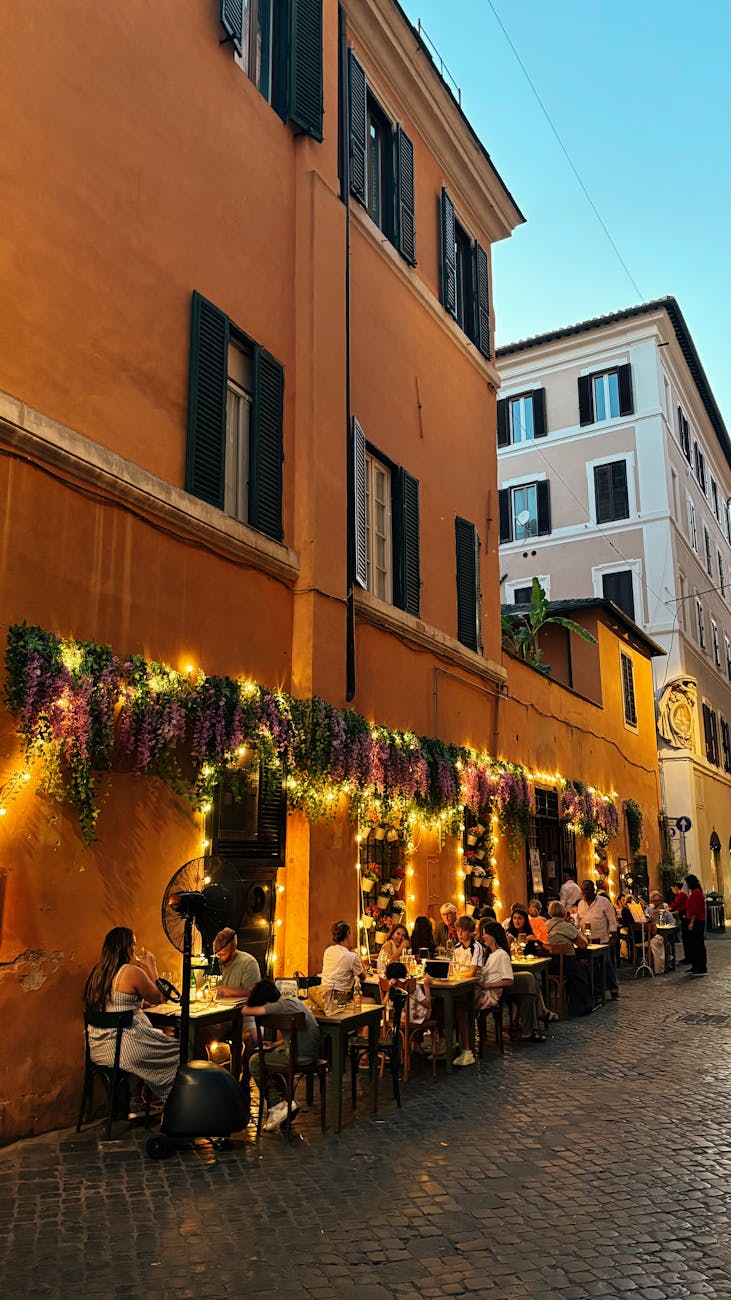
Trastevere neighborhood brings authentic Roman life—narrow streets, family trattorias, locals hanging laundry. Less polished, more real.
Roman food is simple—carbonara, cacio e pepe, amatriciana. No cream in carbonara. Locals get upset. Try Flavio al Velavevodetto or Da Enzo.
Rome works as a base, but the lines are long. Early mornings or pre-booked tickets save hours of waiting.
Tuscany is postcard Italy—rolling hills, cypress trees, medieval towns. Florence holds the Renaissance—Uffizi Gallery, Duomo, Michelangelo's David.
Chianti wine region spreads between Florence and Siena. Vineyards, tastings, agriturismo stays. Rent a car, drive backroads, stop at every winery.
Siena's Piazza del Campo is one of Europe's best squares. The Palio horse race (July/August) turns the city into controlled chaos.
San Gimignano's medieval towers rise above vineyards. Touristy but beautiful. Stay overnight after day-trippers leave.
Tuscan food is hearty—ribollita soup, bistecca fiorentina, pici pasta. Pair with Chianti Classico. Simple, seasonal, perfect.
Venice is sinking slowly, crowded always, and somehow still magical. Canals replace streets. Gondolas cost €80-120. Water buses (vaporetto) cost €7.50.
St. Mark's Square and Basilica, Doge's Palace, Rialto Bridge—the main sights are packed. Visit early morning or late evening.
Get lost deliberately. Wander alleys, cross bridges, find empty squares. Venice reveals itself away from crowds.
Dolomites rise a few hours north—dramatic limestone peaks, UNESCO World Heritage. Cortina d'Ampezzo and Val Gardena for skiing, summer for hiking.
The mountains feel different from the rest of Italy—German-speaking pockets, Austrian influence, mountain culture. Beautiful and less chaotic than cities.

Amalfi Coast is dramatic—vertical cliffs, pastel villages, lemon groves, winding roads. Positano and Amalfi are touristy. Ravello is quieter with better views.
Drive the coastal road or take buses (narrow, thrilling). Ferries in summer connect towns along the coast. Stay overnight to avoid day-trip crowds.
Cinque Terre brings five colorful villages clinging to Ligurian cliffs. Hiking trails connect them. Trains too. Summer is packed. Spring/autumn better.
Sicily combines Greek ruins, Baroque towns, beaches, and Mount Etna (active volcano). Palermo's markets, Taormina's views, Syracuse's history—Sicily rewards exploration.
Southern Italy moves slower. Meals last hours. Shops close midday. Locals speak less English. It's more authentic, less polished, deeply Italian.